Skip to content


Table of Contents
Wrinkles form from repeated muscle movement, slowed collagen production, and years of sun exposure, and the right approach depends on the type of wrinkle you have. At Magnolia Medical Aesthetics in Riverside, every wrinkle conversation starts with that distinction, because it shapes everything that follows.
Here is a clear look at what causes wrinkles, why some lines respond to one treatment and not another, and what to consider once skincare alone stops making a visible difference.
What causes wrinkles on the face?
Wrinkles form when repeated facial muscle movement creases the skin while collagen and elastin production slows with age, so skin no longer springs back the way it once did. Sun exposure, smoking, and genetics speed up that process.
Why Wrinkles Form in the First Place
Wrinkles begin as ordinary movement. Every time you smile, squint, or frown, the muscles underneath pull the skin into the same folds, and over decades those folds repeat thousands of times in the same places.
Young skin recovers because collagen and elastin give it structure and spring. Production of both slows from the mid-twenties onward, so skin flattens more slowly after each expression until the crease stays, and slower cell turnover keeps lines at the surface. Structure shifts too: facial fat pads descend, and bone loses volume, deepening folds around the mouth, nose, and cheeks even in people with good skin quality.
Dynamic Versus Static Wrinkles: The Difference That Changes Treatment
Dynamic wrinkles appear when you move, and static wrinkles stay visible when your face is completely still. That distinction explains most wrinkle causes and determines which treatments will actually help.
Dynamic lines, also called dynamic rhytides, include forehead lines, glabellar lines between the brows, and crow’s feet, and they are driven by muscle activity. Static lines, such as nasolabial folds and marionette lines, come from lost volume and structural support.
To tell them apart at home, relax your face completely and note which lines remain. Those are static, and the ones that disappear are dynamic. Treating a static fold with a muscle relaxer, or a dynamic line with volume alone, is the most common reason the ones that remain feel under-treated.
What Speeds Wrinkles Up Beyond Normal Aging
Ultraviolet exposure is the largest outside contributor to facial lines, which makes Riverside especially relevant. Inland Empire residents get long, bright, dry summers and year-round sun during commutes and time outdoors.
Several other factors move the timeline:
- Smoking, which reduces blood flow and degrades collagen
- Sleeping face down or on the same side nightly
- Repetitive squinting from uncorrected vision or missing sunglasses
- A chronically dehydrated or weakened skin barrier
Genetics sets a baseline too. Anyone asking how to prevent wrinkles should know that daily broad-spectrum sunscreen, eye protection, and not smoking genuinely slow the process, though prevention does not reverse existing lines.
What Skincare Can and Cannot Change
A consistent skincare routine improves skin quality and surface texture, but it cannot reach the muscle activity that creates expression lines. Retinoids support cell turnover and collagen, antioxidants limit daily damage, and sunscreen keeps new damage from accumulating. Medical grade formulations are more concentrated than retail products, with results that typically build over three to six months.
What topicals cannot do is relax a forehead muscle or replace lost midface volume, which is the ceiling most people hit before they start searching how to get rid of wrinkles.
Treating the Lines That Appear When You Move
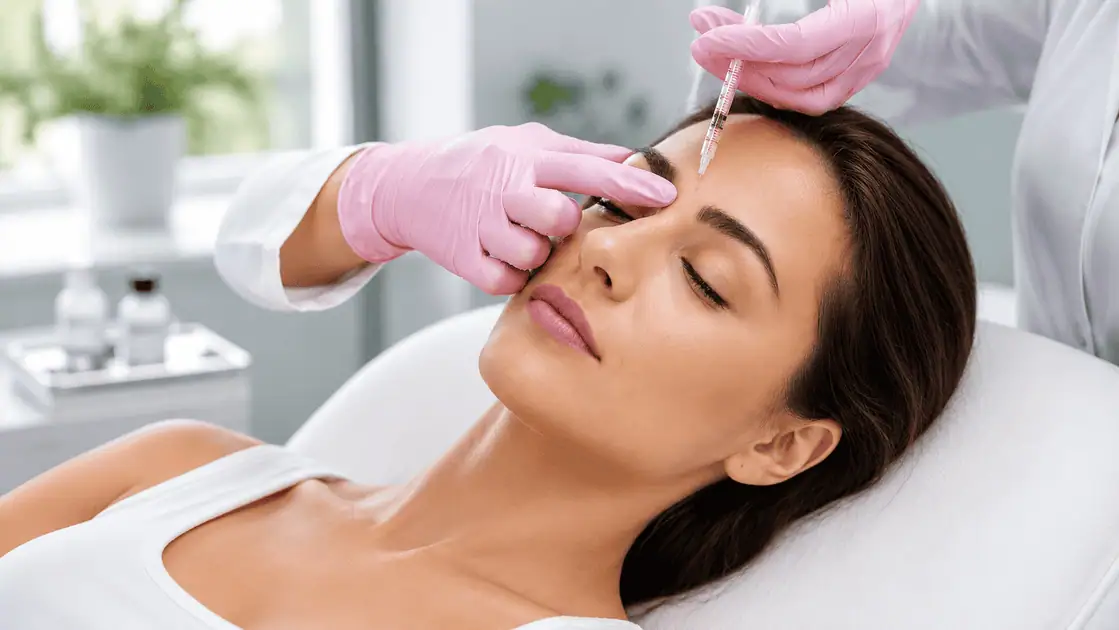
Dynamic lines respond to treatments that reduce the muscle movement behind them, which is why a neurotoxin is usually the starting point. Botox® Cosmetic temporarily relaxes the specific muscles that fold the skin, so those creases soften as movement eases. A licensed provider injects small amounts into the frown lines between the brows, the forehead, the crow’s feet at the outer eyes, and the vertical bands along the jaw and neck.
Most patients begin seeing changes within three to seven days, with results typically lasting three to six months depending on individual metabolism and muscle strength. Dosing is measured in units and matched to your muscle activity and how much movement you want to keep. Side effects are usually mild and temporary, and your provider reviews them with you before treatment.
Treating Lines That Stay When Your Face Is Still
Static wrinkles respond to volume and collagen support, not muscle relaxation. Hyaluronic acid fillers such as JUVÉDERM® and Restylane® restore structure where tissue has thinned, softening folds that remain at rest.
Sculptra® works more slowly. This collagen stimulator is FDA-approved for nasolabial fold contour deficiencies, fine lines and wrinkles in the cheek region, and other facial wrinkles in people with healthy immune systems, and requires several sessions.
For texture and fine surface lines, microneedling and radiofrequency resurfacing with Venus Viva™ prompt the skin to remodel its own collagen. Both are minimally invasive, and your provider assesses your Fitzpatrick skin type first. Most faces show both wrinkle types, so combination plans are common.
How a Provider Decides What You Actually Need
A consultation assesses four things: how your face moves, how much volume has been lost, your skin quality, and the result you want. Those answers narrow the wrinkle treatment options to the ones that match your anatomy, because the best treatment for wrinkles is the one matched to the cause of your lines rather than the one that is popular.
We also review candidacy, since pregnancy, breastfeeding, certain neuromuscular conditions, some medications, and active skin infections can affect whether treatment is appropriate. Results vary, no treatment stops aging, and most plans are staged over several months. Before booking any wrinkle treatment, Riverside CA providers advertise, confirm that your injector is licensed and sourcing products through authorized U.S. distributors.
Common Questions About Wrinkles and Wrinkle Treatment
At what age do wrinkles start?
Wrinkles can appear in the late twenties to thirties, but they also depend on sun exposure, genetics, and skin type.
Can wrinkles be reversed?
Lines can usually be softened, sometimes noticeably, but established static creases are managed rather than removed.
How soon will I see a difference?
Neurotoxin changes typically appear within a week, filler is visible right away, and collagen stimulators and resurfacing build over several months.
Ready to Treat the Wrinkles You Actually Have
Effective wrinkle treatment starts with identifying which lines are dynamic and which are static, then matching the approach to the cause. Ready to smooth fine lines and wrinkles? Book a consultation at Magnolia Body Sculpting, and we’ll create a wrinkle treatment plan for your skin and goals. Book Your Wrinkle Treatment Consultation with our team in Riverside.